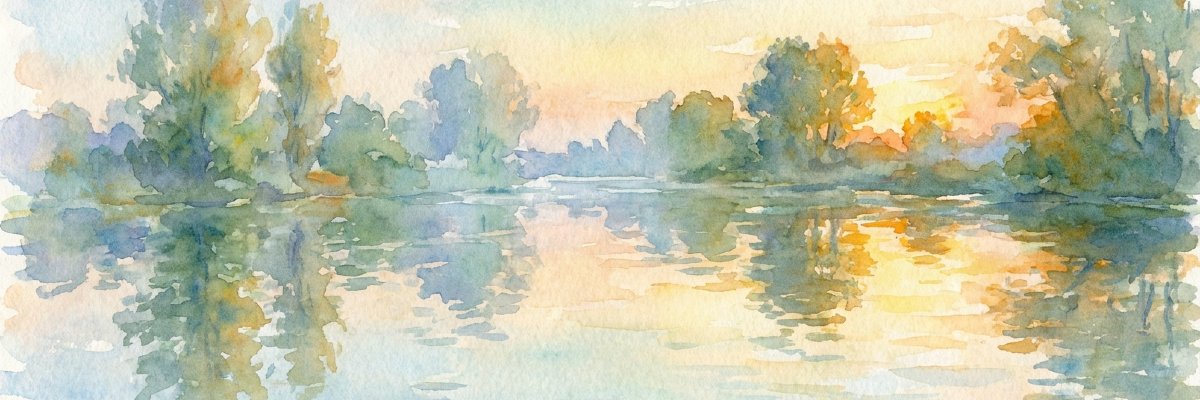
Monet is not merely a painter, but a master of bringing light onto paper. Adapting his techniques to watercolor transforms both your practice and your vision.
Monet and Light: A Revolution Began Outdoors
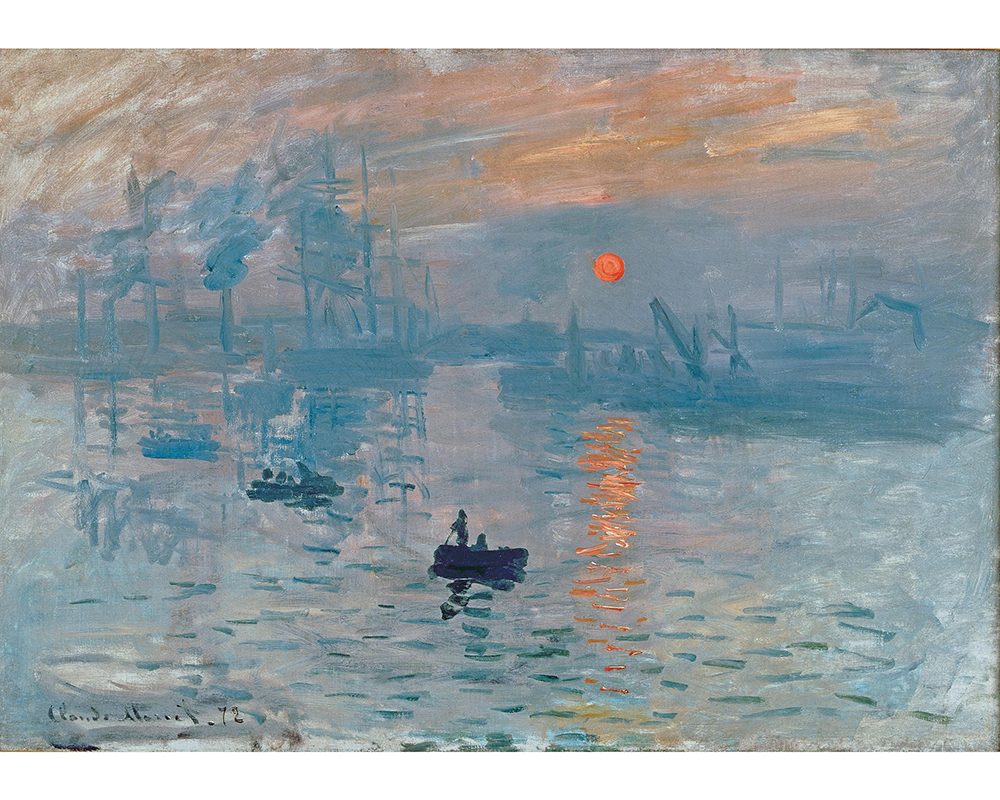
In 1872, Claude Monet painted a small scene in the harbor of Le Havre—the orange light of sunrise reflected on the grey waters. He called that painting "Impression: Sunrise." Critics mockingly called it "Impressionist"—and inadvertently named it one of the greatest revolutions in art history. What Monet did to capture that moment was revolutionary: he left the studio. He went outside, observed how the light changed every minute, and transferred what he saw, as it was, quickly onto paper. Instantaneous reality, not perfectionism, mattered. He blended colors not on the palette, but directly on the surface—and that shimmering, vibrant effect emerged. This approach is extremely familiar to watercolorists. Watercolor, like Impressionism, captures the moment, relies on water and color, and teaches us to let go of perfectionism. To understand Monet is to understand watercolor.
Monet's 3 Basic Techniques and Their Adaptation to Watercolor
Monet's approach can be reduced to three basic techniques. Each can be applied directly in watercolor — and each adds an Impressionist spirit to your work.
1. Short, Spontaneous Brushstrokes
Monet didn't draw long, straight lines. He brought the paint to the surface with short, quick, and free strokes. These strokes may appear imperfect individually, but when you step back, they create a vibrant, lively surface. To apply this in watercolor, lightly touch your brush to the paper, don't drag it — proceed dot by dot, stroke by stroke. Let go of control, feel the rhythm.
2. Color Layering and Optical Blending
Instead of mixing colors on the palette, Monet placed them side by side on the surface. Our eyes spontaneously blend these colors from a distance — this is called optical blending. In watercolor, when you place two colors side by side on a wet surface, the paint merges spontaneously, creating those organic, lively transitions you can't achieve on a palette. This is the essence of the wet-on-wet technique.
3. Expressing Light and Shadow with Color
Monet didn't paint shadows black or brown. For him, shadows were the cool tone of color, while light was the warm tone. Blue, purple, and cool green shadows; yellow, orange, and warm red lights — this understanding of color adds depth and vibrancy to your watercolor work. Try a cool color blend before resorting to black again.
How can you apply these techniques today?

You don't need extensive experience to bring Monet's approach to your own watercolor practice. A few conscious changes are enough to transform your work.
Get outside
Monet's greatest lesson was to leave the studio. Go to your garden, your windowsill, or a park. Working under natural light unexpectedly improves your color perception and observational skills.
Work quickly
Try painting a scene in 10-15 minutes. Don't get bogged down in details — focus on capturing the light, atmosphere, and overall color impression. This exercise both boosts your confidence and improves spontaneous brushwork. Leave the black aside
Try achieving shadows with cool color blends without using black throughout a work. Navy blue and brown, purple and dark green — these blends create much more vibrant and deep shadows. Work wet on wet
First wet the paper with water, then release the colors. Don't try to direct them — follow the flow. Monet's understanding of optical blending comes to life at this moment.
3 Watercolor Projects Inspired by Monet
The best way to learn Monet's techniques is to practice them. Here are three projects you can start today — each bringing a fundamental approach of Monet's to watercolor.
Project 1: Light Study — Paint the Same Scene Twice
Monet painted the same scenes repeatedly under different lighting conditions — Rouen Cathedral in the morning, midday, and evening light, London Bridge in foggy and sunny weather. Try it yourself: paint a window view or a corner of your garden in the morning and evening light. Observe how the colors change — this exercise will permanently transform your perception of color.
Project 2: Water Lily Inspiration — Reflection in Water Study
Monet's most famous series is Water Lilies — but what he actually painted was the surface of water. The reflection of the sky, trees, and light in the water. Observe the reflections in the water in a bowl or a small pool and create an abstract reflection study with watercolor. The wet-on-wet technique is perfect for this project. Project 3: Impression Sketch — A Scene in 15 Minutes
This project best captures Monet's spirit. Go outside, choose a scene, and imagine you have 15 minutes. No details, no perfection — just capture the light, color, and atmosphere of that moment on paper. The result may appear "unfinished" — but that feeling is precisely the essence of Impressionism.
Discover all of Monet's works and biography.
Monet's works, his life story, and all the details of the Impressionist movement await you in the Art Guide, available in 9 languages.